Who Is Abdela Kharbouch? The Untold Story of French Montana’s Father and His Journey

Who Is Abdela Kharbouch?
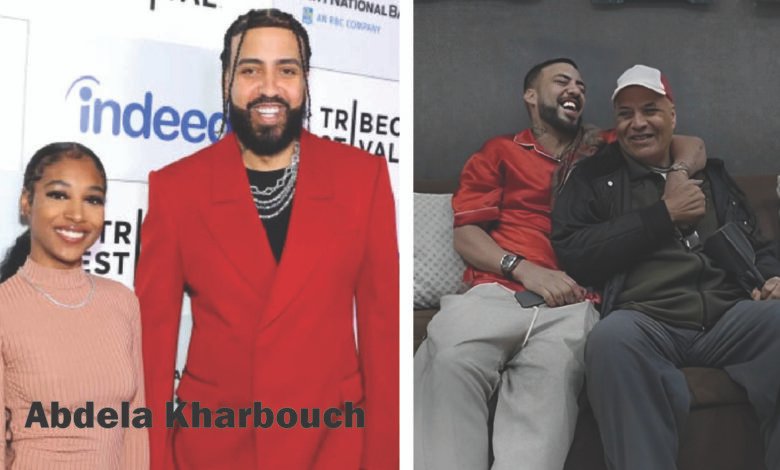
Abdela Kharbouch is best known as the father of French Montana, the Moroccan-American rapper who rose from the Bronx to international fame. However, Abdela’s own story is meaningful in its own right. Born in Casablanca, Morocco, in 1955, he grew up surrounded by strong cultural traditions, close family bonds, and a deep sense of identity rooted in Moroccan values.
In the early 1990s, Abdela moved his family to the United States in hope of creating a better future for his children. The journey, however, was filled with difficult challenges—language barriers, financial pressure, and cultural shock. Life in the Bronx was far harder than expected, and the stress eventually pushed Abdela to return to Morocco, leaving his family behind.
Today, Abdela lives a quiet life away from public attention. Even though he is not a public figure, his story remains important because it shaped the early life of French Montana and reflects the powerful themes found in many Moroccan-American families, immigrant father stories, and those searching for an honest Abdela Kharbouch biography.
Early Life and Cultural Foundations in Casablanca, Morocco
Born in 1955, Abdela Kharbouch grew up in Casablanca during a time when Moroccan culture was strongly centered on family unity, religion, community support, and respect for tradition. Life in Casablanca in the 1950s–1970s meant growing up in a close-knit society where families lived near each other, shared meals, attended religious events together, and relied on strong cultural values to guide daily life.
Traditional Moroccan upbringing places a strong responsibility on fathers, who are expected to provide, protect, and lead their families with dignity. Growing up in this environment shaped Abdela’s understanding of fatherhood, identity, and responsibility. The cultural stability he experienced in Morocco later influenced the values he tried to pass on to his children, even during the hardships of immigrant life.
Family Background and Personal Identity
Abdela’s identity is deeply rooted in Moroccan culture:
-
Nationality: Moroccan-American
-
Ethnicity: Moroccan
-
Religion: Islam
He comes from a traditional Moroccan family structure where extended relatives play a major role in daily life. In Moroccan culture, identity is shaped by respect for elders, strong community ties, and the idea that children must always understand where they come from.
These cultural beliefs strongly influenced Abdela’s worldview as a father. Even when life changed dramatically after moving to the United States, he continued to hold onto the values he learned in Morocco—beliefs that later helped shape the identities of his children.
Marriage to Khadija Guled and Family Life Before Migration
In Morocco, Abdela married Khadija Guled, a woman who shared the same cultural values of family loyalty, faith, and hard work. Together, they built a family built on love, tradition, and the hope of providing their children with a meaningful life.
Their home in Morocco was similar to many traditional Moroccan households—filled with family gatherings, shared meals, and a strong emphasis on raising children with respect, discipline, and pride in their heritage. As parents, Abdela and Khadija believed deeply in education, cultural identity, and preparing their children for a better future.
Migration to the United States: Dreams, Struggles, and Reality
In the early 1990s, Abdela made one of the biggest decisions of his life—moving his family from Morocco to the United States. The goal was simple but powerful: to give his children more opportunities for education, success, and stability.
At that time, many North African families were leaving their home countries due to economic difficulties, hoping that the American Dream would lead to a brighter future. But the reality of immigrant life was far more challenging than expected. Abdela and his family faced:
-
Language barriers, which made communication and finding work difficult
-
Economic hardship, as finding stable employment was nearly impossible
-
Cultural shock, adjusting from Moroccan traditions to New York’s fast-paced environment
-
Emotional pressure, trying to rebuild a life from nothing
These struggles reflect the experience of many Moroccan immigrants in the USA and those who faced the tough reality of 1990s Bronx life.
Life in the Bronx: Hardship, Pressure, and Cultural Adjustment
Life in the South Bronx was nothing like the warm, community-focused environment Abdela knew in Morocco. The neighborhood was known for crime, poverty, and limited opportunities. The cost of living was high, and stable jobs were hard to find. Raising three young children in such a difficult environment placed enormous pressure on Abdela. The emotional weight of providing for his family, combined with the stress of adapting to a new culture, created deep strain on the household.
The contrast between Moroccan communal life—where families rely heavily on each other—and the isolated, harsh reality of Bronx life made adjustment even harder. Over time, these challenges affected the entire family and contributed to the eventual separation between Abdela and Khadija.
Separation and Its Impact on the Family
By the late 1990s, the stress of immigrant life had become too much, and Abdela and Khadija separated before 1998. The separation had serious emotional and financial consequences. Khadija became a single mother, working long hours to support her children in one of the hardest boroughs of New York. For young Karim (French Montana), the separation created a deep sense of confusion, pain, and responsibility. These early struggles later became part of the story featured in the documentary For Khadija, which honors his mother’s strength and reflects on the absence of his father.
Abdela Kharbouch’s Children and Their Life Paths
-
-
Zack Kharbouch the middle son of Abdela Kharbouch, is known for maintaining a low profile while contributing quietly to creative and entertainment-related work behind the scenes. Unlike his older brother French Montana, Zack prefers privacy, but he remains an important part of the family’s support system. He is often involved in managing or assisting with projects connected to his brothers and is recognized for his loyalty, steady presence, and strong family ties, which reflect the cultural values passed down from their parents.
-
Ayoub Kharbouch the youngest son of Abdela Kharbouch, lives a quiet and private life but is often spoken about with great affection by his older brother French Montana. Growing up between Moroccan traditions and American experiences, Ayoub has kept a strong connection to his cultural roots, valuing family, heritage, and the lessons passed down from his parents. Although he avoids the public spotlight, he remains closely bonded with his brothers and is seen as a cherished and supportive member of the Kharbouch family.
Return to Morocco: Reasons, Life Changes, and Rebuilding Quietly
After years of emotional and financial stress, Abdela returned to Morocco. Although the exact details are private, it is clear that the pressure of immigrant life played a major role in his decision. Returning home allowed him to find peace, reconnect with his culture, and rebuild his life in a familiar environment.
Today, Abdela continues to live quietly in Morocco. He avoids media attention, does not use social media, and prefers a simple, traditional lifestyle centered around community and privacy.
Relationship With French Montana: Distance, Pain, and Later Understanding
The absence of his father deeply affected French Montana during his teenage years. Without a father figure, Karim had to navigate the challenges of the Bronx on his own, which shaped his strength, ambition, and emotional world.
As he grew older and became successful, French Montana began to understand the pressures his father faced. Their reunion in Morocco was emotional and meaningful, showing that healing is possible even after years of distance. The meeting symbolized forgiveness, growth, and understanding between father and son.
Cultural Influence Abdela Passed to His Children
Even though Abdela was not always present, his cultural teachings stayed with his children. Moroccan values such as:
-
Respect for family
-
Pride in heritage
-
Faith and community
-
Arabic language and traditions
…continue to influence French Montana and his brothers. These values appear in French Montana’s music, clothing, charity work, and strong connection to Morocco.
Career, Work Life, and Economic Challenges
There is no confirmed public information about Abdela’s career. Like many immigrants, he likely worked various jobs to support his family during their years in the United States. Early immigrant work is often unstable, low-paying, and physically demanding, reflecting the economic challenges many new families face.
Net Worth and Financial Privacy
No verified information exists about Abdela Kharbouch’s net worth.
Any numbers found online are only guesses and not supported by evidence.
In contrast, his son French Montana has a confirmed multimillion-dollar career, which often leads to increased curiosity about the father. However, Abdela chooses privacy, and financial details about his life have never been publicly shared.
Public Image and Media Representation
Because Abdela has never sought publicity, he remains mostly unknown outside of his connection to French Montana. His absence from interviews or public statements adds to the mystery around him. Fans and media often try to fill the gaps with speculation, but most stories about him come only from his son’s perspective.
Misconceptions, Rumors, and Clarifications
There are no known controversies involving Abdela.
Misunderstandings about him usually come from assumptions rather than facts.
Some believe he abandoned his family, but immigrant struggles are often complex, painful, and shaped by economic pressure, emotional breakdown, and cultural shock. His decision to return to Morocco should be understood within that difficult context.
Symbolism: What Abdela Represents in the Immigrant Narrative
Abdela’s life reflects the reality faced by many immigrant fathers:
-
The pressure of providing in a foreign country
-
The conflict between dreams and harsh reality
-
Emotional and financial burdens
-
The weight of cultural responsibility
-
The impact their decisions have on their children’s future
He symbolizes the quiet sacrifices made by countless fathers who leave their homeland hoping for a better life but face challenges that few truly understand.
Legacy Through His Children and Cultural Influence
Abdela’s legacy is not found in fame or public achievement, but in the cultural identity and success of his children.
French Montana’s global influence, Moroccan pride, and strong family values all reflect the foundation Abdela helped establish early in life.
His legacy lives through:
-
His children’s achievements
-
The cultural pride they carry
-
The lessons of resilience passed from one generation to the next
Conclusion
Abdela Kharbouch’s life is a powerful story of migration, hope, struggle, and cultural identity. From his early years in Casablanca to his difficult journey in the Bronx and eventual return to Morocco, his experiences reflect both the beauty and hardship of the immigrant journey.
Even without fame or public recognition, Abdela’s influence lives on through his children—especially French Montana—whose achievements carry the cultural strength, resilience, and heritage passed down from their father. His story reminds us that some of the most meaningful legacies come not from public success but from the quiet, unseen impact a parent leaves on the next generation.
FAQs
1. Who is Abdela Kharbouch?
Abdela Kharbouch is the father of Moroccan-American rapper French Montana. He was born in Casablanca, Morocco, and later moved to the United States before returning to Morocco to live a private life.
2. Why did Abdela Kharbouch move to the United States?
He moved to the U.S. in the early 1990s to give his family better opportunities, hoping his children would have access to education, safety, and a more stable future.
3. Why did Abdela Kharbouch return to Morocco?
He returned to Morocco because life in the Bronx was extremely difficult. Financial stress, cultural challenges, and the emotional pressure of immigrant life made it hard for him to stay in the U.S.
4. What is known about Abdela Kharbouch’s relationship with French Montana?
Their relationship was strained for many years due to distance, but they eventually reunited in Morocco. Their journey reflects pain, healing, and the challenges many immigrant families face.
5. Does Abdela Kharbouch have a public career or net worth?
No. Abdela keeps his personal life completely private. There are no verified details about his career or net worth, and any figures online are only guesses.
For More Double Magazine