
What Is Agarwood Incense? A Complete Guide to Oud, Its History, Benefits & How to Use It

What Is Agarwood Incense?
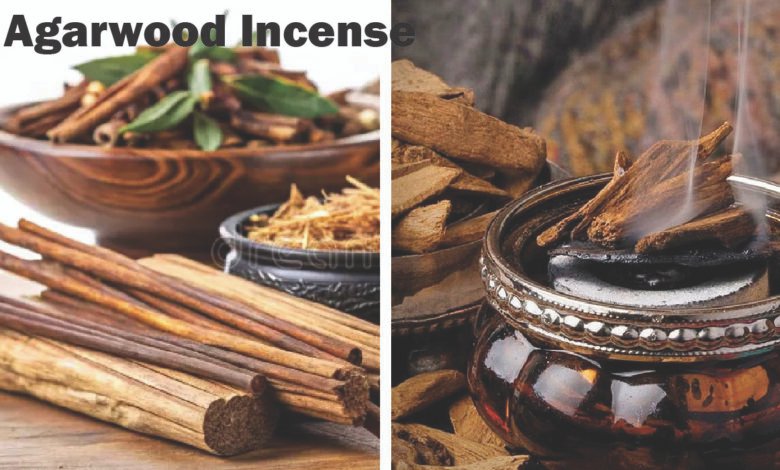
Agarwood incense is a fragrant product made from the resinous wood of the Aquilaria tree. It is widely known as oud, one of the most luxurious and culturally significant fragrances in the world. Agarwood incense stands apart from other incense types because its scent forms naturally inside the tree over many years, creating an aroma that is deep, complex and long-lasting. Unlike common incense made from herbs or flowers, agarwood incense carries layers of woody, sweet, smoky and earthy tones. Due to its rarity and slow formation process, agarwood is considered a luxury material used for rituals, perfumes, ceremonies and everyday fragrance in many cultures.
Historically, agarwood has roots in Asia and the Middle East, travelling across ancient trade routes and shaping traditions from Japan to Arabia. For centuries it has been used in temples, royal courts, religious rituals and hospitality traditions.
How Agarwood Is Formed: The Science Behind the Scent
Agarwood forms inside the Aquilaria tree, a species found mainly in Southeast Asia. When this tree becomes infected by a natural fungus or suffers physical damage, it begins to produce a dark resin as a protective response. Over time, this resin transforms the inner wood into a highly fragrant material. Natural agarwood can take several decades to develop its rich scent. Factors such as soil, climate, tree species and age all influence the fragrance. Because of this long formation time, natural agarwood is extremely valuable.
Cultivated agarwood is now produced in a controlled environment where trees are inoculated with fungus to encourage resin formation. Although sustainable plantations help protect wild forests, natural agarwood remains the rarest and most sought-after type. The colour and density of agarwood indicate its quality. Darker, heavier pieces contain more resin, providing a stronger and longer-lasting aroma when burned.
Types of Agarwood Incense Found Worldwide
Agarwood incense comes in many forms, each offering a different experience:
-
Pure agarwood chips – Burned on charcoal to release natural smoke.
-
Agarwood powder – Used for blending or sprinkling on burning coals.
-
Bakhoor blends – Popular in Arabian culture; combines oud chips with scented oils and spices.
-
Agarwood incense sticks and coils – Convenient, smoke-controlled formats often used in homes and meditation.
-
Japanese-style agarwood incense (Jinkō) – Refined, low-smoke incense made with delicate craftsmanship.
-
Arabian-style oud incense – Rich, smoky and bold aromas used in homes and ceremonies.
A comparison typically shows that pure agarwood provides the deepest scent, whereas incense sticks offer the easiest daily use.
Agarwood Incense in Arabian Tradition
In the Arabian Peninsula, agarwood is more than a fragrance—it is a symbol of honour, hospitality and cultural pride. Families in Kuwait, Saudi Arabia and the UAE have long used agarwood incense during gatherings, celebrations and religious practices.
Agarwood is commonly burned:
-
When welcoming guests
-
During weddings and family events
-
After prayer to purify the air
-
In homes as a sign of warmth and hospitality
Traditional Arabian incense burners, known as mabkhara, are beautifully crafted objects used to hold hot charcoal and gently burn oud chips or bakhoor. The rising smoke is waved around clothing, furniture and rooms to leave a luxurious scent.
The Fragrance Profile of Agarwood Incense Explained
Agarwood has a unique scent structure that evolves while burning:
Top Notes
These are the first scents released—dry, warm, woody and sometimes slightly spicy or floral. They lift quickly and energise the space.
Heart Notes
As the wood warms, richer tones appear. These include amber-like sweetness, soft musk and comforting warmth.
Base Notes
These deep, lasting scents remain after the smoke clears. Earthy wood, rich resin and slightly animalic tones are common. They can linger for hours or even days.
Agarwood’s aroma changes due to differences in tree age, resin content, region and burning temperature. Each region produces a unique scent signature—from sweet Cambodian oud to smoky Indian and earthy Malaysian oud.
Agarwood in Japanese Culture and Incense Art
In Japan, agarwood is known as Jinkō, meaning “sinking wood,” because high-quality pieces are so dense they sink in water. Japanese incense culture treats agarwood as a treasure connected to art, poetry and meditation. The Rikkoku-gomi system was created in the Heian period to classify agarwood by origin and fragrance qualities. It divides scents into six countries and five taste categories such as sweet, bitter, spicy, sour and salty.
The most prized type, Kyara, is incredibly rare and has a high resin content that produces an elegant, refined aroma. Agarwood is also central to Kōdō, the Japanese incense ceremony, where participants “listen” to the fragrance, appreciating its layers and emotional expression. Unlike Arabian incense, Japanese incense burns at lower heat and focuses on subtle fragrance rather than heavy smoke.
Cultural and Historical Significance of Agarwood Across Regions
For thousands of years, agarwood has travelled across trade routes linking the Middle East, India, China and Southeast Asia. It was exchanged as a luxury item, valued more highly than gold in some ancient markets.
Agarwood played major roles in:
-
Temples and religious rituals
-
Royal ceremonies and offerings
-
Traditional medicine and healing practices
-
Spiritual purification and meditation
Its reputation as a sacred, calming and prestigious fragrance made it a key element in cultural identity throughout Asia and Arabia.
How to Use Agarwood Incense Correctly
Using agarwood incense requires some technique to achieve the best aroma:
Choosing the right form:
Chips deliver the purest scent. Bakhoor provides rich, blended aromas. Sticks and coils offer convenience.
Heating methods:
Charcoal burners produce intense smoke, while electric burners allow gentle, controlled heating.
How to burn agarwood:
-
Heat the charcoal until red-hot.
-
Place the chip or bakhoor on the burner.
-
Allow the smoke to rise naturally—never rush it.
-
Move the mabkhara around the room or clothes for even fragrance.
Always follow safety precautions, keeping burners away from children, fabrics and flammable objects.
Agarwood Incense in Modern Homes and Lifestyle
Agarwood continues to play a major role in modern households. Many families use it daily after prayer, during relaxation or after cleaning the home to create a peaceful atmosphere.
In the West—especially the UK—agarwood is becoming popular in wellness routines, meditation spaces and luxury home fragrance collections. Its grounding, calming scent helps create a comforting environment.
In Gulf countries, agarwood incense remains a symbol of hospitality, often used to greet guests or bring positive energy into a home.
How to Identify Real, High-Quality Agarwood Incense
Real agarwood has a deep, complex scent even before burning. When burned, it produces slow, rich smoke that lasts a long time.
Here are key signs of genuine quality:
-
The wood is dark and resinous.
-
The aroma is layered, not sharp or overly sweet.
-
Chips feel heavier due to high resin content.
-
Price is high—cheap agarwood is usually synthetic.
Avoid sellers who offer extremely low prices or strong artificial fragrances. Look for ethical sourcing certificates and trusted suppliers.
Why Agarwood Is So Expensive
Agarwood is one of the world’s most costly natural raw materials because:
-
Trees take decades to form high-quality resin.
-
Wild Aquilaria species are limited and endangered.
-
Overharvesting has reduced natural supply.
-
Arabian perfumery and incense culture create high demand.
-
Ethical cultivation, hand selection and slow processing increase production costs.
This rarity and labour-intensive process make pure agarwood a luxury.
Therapeutic and Aromatherapy Benefits of Agarwood Incense
Agarwood has long been associated with emotional and spiritual benefits. Its aroma is used to:
-
Reduce stress and anxiety
-
Support meditation and mindfulness
-
Promote emotional grounding
-
Improve focus and clarity
-
Create a calm, peaceful environment
Traditional beliefs also connect agarwood with healing energy, purification and spiritual alignment.
Sustainability and Ethical Issues Around Agarwood
Because of centuries of overharvesting, many Aquilaria species are now endangered. Illegal cutting and unregulated trade have damaged natural forests.
Today, sustainable solutions include:
-
Managed plantations with controlled inoculation
-
Ethical harvesting standards
-
Support for local communities involved in cultivation
-
Certification systems that ensure legal sourcing
Consumers play an important role by choosing responsibly sourced agarwood products.
Agarwood Notes in Perfumery
Agarwood is a prized base note in perfumery because of its strength, depth and ability to hold other scents. Perfumers often blend oud with:
-
Rose
-
Amber
-
Musk
-
Sandalwood
-
Saffron
Middle Eastern perfumes tend to be rich and smoky, while Western brands often combine oud with lighter floral or citrus notes. Synthetic oud is sometimes used to reduce cost and environmental impact.
Today, oud perfumes are global bestsellers and continue to grow in popularity.
Agarwood Incense in the UK Market
Interest in agarwood incense is rising quickly in the UK, especially among people seeking natural fragrances, spiritual products or luxury home scents. Specialty stores, wellness boutiques and online retailers now offer various forms of oud incense. UK consumers typically prefer low-smoke sticks and refined blends, while Middle Eastern markets favour stronger, resin-heavy incense. Safety regulations in the UK require clear labelling, ethical sourcing claims and controlled smoke emissions, making high-quality brands more trusted.
How to Store Agarwood Incense Properly
Proper storage helps preserve fragrance for years:
-
Keep incense in airtight containers.
-
Store in a cool, dry place away from sunlight.
-
Avoid strong external smells that may affect the aroma.
-
Use clean, dry hands when handling chips or bakhoor.
Pure agarwood chips can last decades if stored correctly, while incense sticks and bakhoor remain fresh for one to three years.
Tips for Choosing the Best Agarwood Incense
When selecting agarwood incense, consider:
-
Aroma: Real oud has depth, not artificial sweetness.
-
Density: Heavy chips usually contain more resin.
-
Appearance: Darker woods indicate higher quality.
-
Purity: Pure agarwood is more valuable than blended incense.
-
Burner type: Beginners may prefer electric burners for safety.
-
Room size: Use small amounts in small rooms to avoid overpowering the space.
These factors help ensure a satisfying and authentic fragrance experience.
Conclusion
Agarwood incense carries a history that stretches across continents and cultures. Its deep, timeless fragrance has been loved for centuries and remains cherished today. From luxury perfumery to daily rituals, agarwood connects people to calmness, beauty and tradition. As modern lifestyles embrace natural wellness, agarwood continues to bridge ancient heritage with contemporary living, offering a fragrance that is both soothing and unforgettable.
FAQs
What is agarwood incense made from?
Agarwood incense is made from the resin-filled heartwood of the Aquilaria tree. When the tree becomes naturally infected or wounded, it produces a dark resin that gives agarwood its rich and complex fragrance. This resinous wood is then used in incense chips, sticks, bakhoor and powders.
Why is agarwood incense so expensive?
Agarwood incense is expensive because the resin takes many years—sometimes decades—to form. Wild Aquilaria trees are rare, and overharvesting has made natural agarwood even more scarce. The labour-intensive harvesting process and high global demand also raise its price.
How do I know if my agarwood incense is real?
Real agarwood smells deep, woody, earthy and slightly sweet with natural complexity. The wood is usually dark and heavier than normal wood due to resin content. Fake or low-quality incense often smells overly sweet, sharp or synthetic. Trusted sellers and ethical sourcing labels are strong indicators of authenticity.
Is it safe to burn agarwood incense every day?
Yes, agarwood incense can be burned daily when used in a well-ventilated space. Many people burn it after prayer, meditation or home cleaning. However, always keep burners away from children and pets, and follow safety guidelines to prevent fire risks.
What is the difference between bakhoor and agarwood chips?
Agarwood chips are pure pieces of resinous wood that deliver the natural oud aroma. Bakhoor, on the other hand, is a blend made from agarwood chips mixed with scented oils, spices and floral ingredients. Chips give a pure, deep scent, while bakhoor offers a richer, more perfumed aroma.
For More Double Magazine
